Propulsion
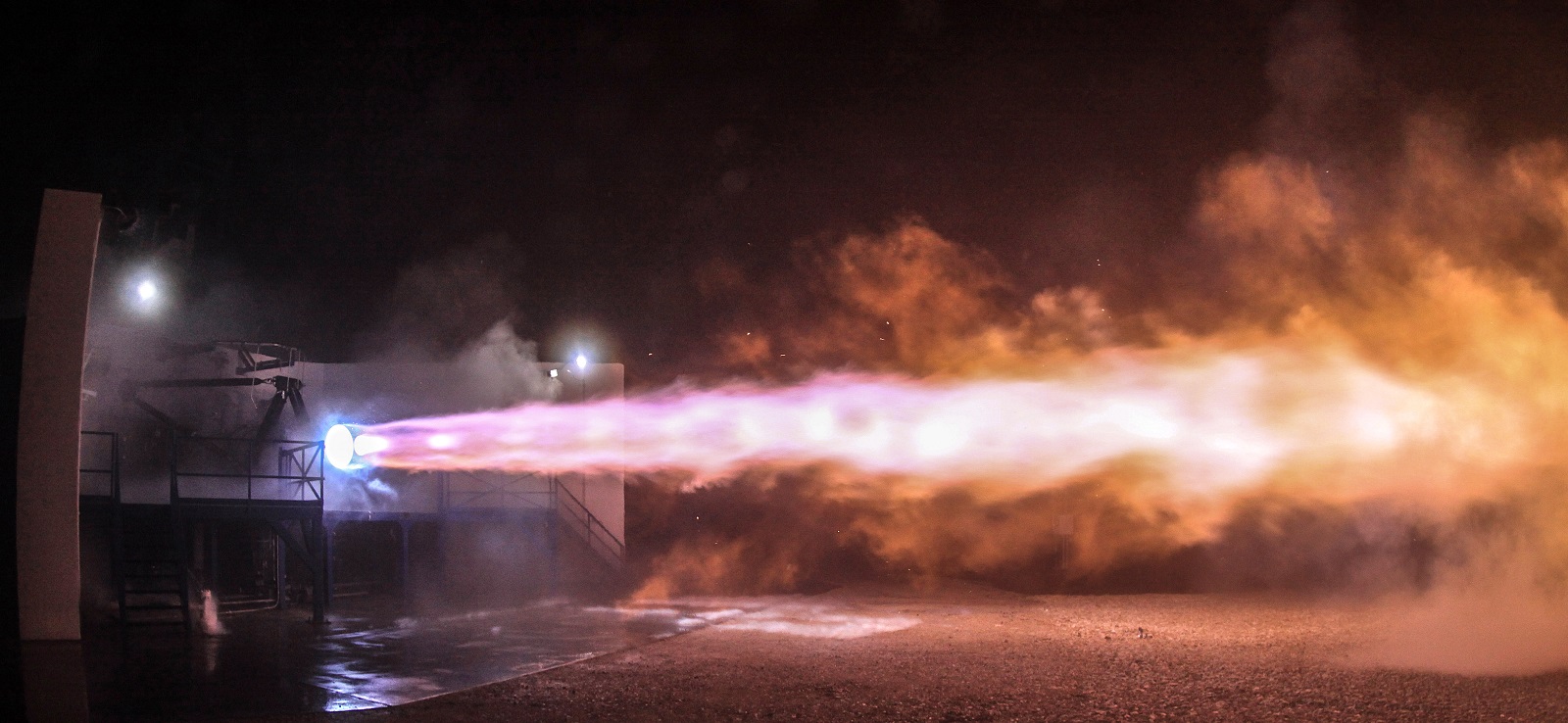
Full-flow Staged Combustion Cycle
The full-flow staged combustion cycle is an advanced rocket engine design that maximizes efficiency and performance. It uses two separate preburners to drive both the fuel and oxidizer pumps, allowing all propellants to be burned in the main chamber at high pressure. This results in better fuel efficiency, higher thrust-to-weight ratios, and less thermal stress on components. SpaceX's Raptor engine (used on Starship) is the first operational engine to use this cycle. The Soviet RD-270 was an early attempt, but never flew. Blue Origin is also exploring this technology for future engines1.
Stoke Space hopes to also use this type of engine along with a re-entry vehicle that uses active cooling for it's heat shield2.
Aerospike Engines
An aerospike engine maintains high efficiency across a wide range of altitudes by automatically adjusting exhaust expansion, unlike traditional bell nozzles which are either optimized for sea-level or the vacuum of space. Among current aerospike engine projects, RocketStar's Cowbell rocket appears closest to an operational flight. The company plans a suborbital test launch from Cape Canaveral, aiming to reach approximately 21 kilometers in altitude (pending final NASA safety approvals). This mission would mark the first flight of an aerospike-powered rocket.3